


This has been my favorite lesson of the year so far. I gave it to my Intro to Algebra Students during the Solving Equations unit. It just uses the simple rate*time=distance formula. The students have a lot of choices for the project. It took them 2-3 class days. The most important part of the project was explaining what the variable represented. You can see from the student examples below that they did not all do it correctly. However, overall I really was pleased with the engagement level and the end product. (See student examples below) I have given the directions to the project below as well.
Positives: Student Choice, Engagement Level, Problem Solving Skills, Messy Numbers, Differentiated learning, Real World problem, Outrageous,
To Work On: Find a way to access at the halfway point of the project. Some students don't get on track early enough.
Positives: Student Choice, Engagement Level, Problem Solving Skills, Messy Numbers, Differentiated learning, Real World problem, Outrageous,
To Work On: Find a way to access at the halfway point of the project. Some students don't get on track early enough.
Who Will Get There First?
You get to chose a destination. You and a friend are going to race to a destination. Your friend gets the faster transportation choice. You get a 6 day head start. Do all the calculations and see who will get there first.
Here are your modes of transportation choices.


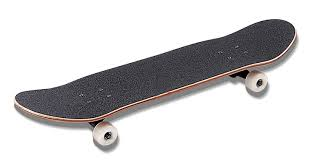


Bike: 3.5 miles per hour average*
Scooter: 1.1 miles per hour average*
Skateboard: 1.3 miles per hour average*
Walk: .9 miles per hour average*
Pogo Stick: .5 miles per hour average*
Big Big Wheel: 2 miles per hour average*
Roller Blades: 2.5 miles per hour average*
Run: 1.8 miles per hour average*
*All average speeds are accounting for sleep and eating.
You may pick your own mode of transportation, but you must get it approved first. It may not be motorized.
Destination Restrictions: Between 500-1000 miles away from here. Pick a city.
Equation 1: You must have a variable in your equation to figure out how much time it will take you to get to your destination.
Equation 2: You must have a variable in your equation to figure out how much time it will take your friend to get to your destination.
Conclusion: You must justify who arrived first and by how much time. Your answer MUST BE GIVEN IN DAYS and HOURS, not just hours.
You must give your results in a video link or digital document link with all information given.
Padlet, Google Document, Video, Presentation
Rubric
Chosen City with mileage by 10 minutes in. 5 points
Equation 1. 5 points
Equation 2. 5 points
Conclusion: 5 points
Resources:
HERE ARE THE STUDENT RESULTS


